A single number
One referral line for bed bug calls in Norman.

Bed bugs live indoors, so treatment in Norman is needed in every month, not in one season. Close to half of the city's occupied homes, 46.7 percent, are rented, and 22.0 percent of housing units sit in buildings with five or more units, where bugs can pass through shared walls and outlets. About 38 percent of homes were built before 1980. In any of these buildings, a provider typically inspects, treats and comes back to check.
One referral line for bed bug calls in Norman.
A provider usually inspects before naming a price.
Calls reach providers who serve Norman.
Search the company in ODAFF's AGLook.
Bed bugs live indoors, so treatment in Norman is needed in every month, not in one season. Close to half of the city's occupied homes, 46.7 percent, are rented, and 22.0 percent of housing units sit in buildings with five or more units, where bugs can pass through shared walls and outlets. About 38 percent of homes were built before 1980. In any of these buildings, a provider typically inspects, treats and comes back to check.
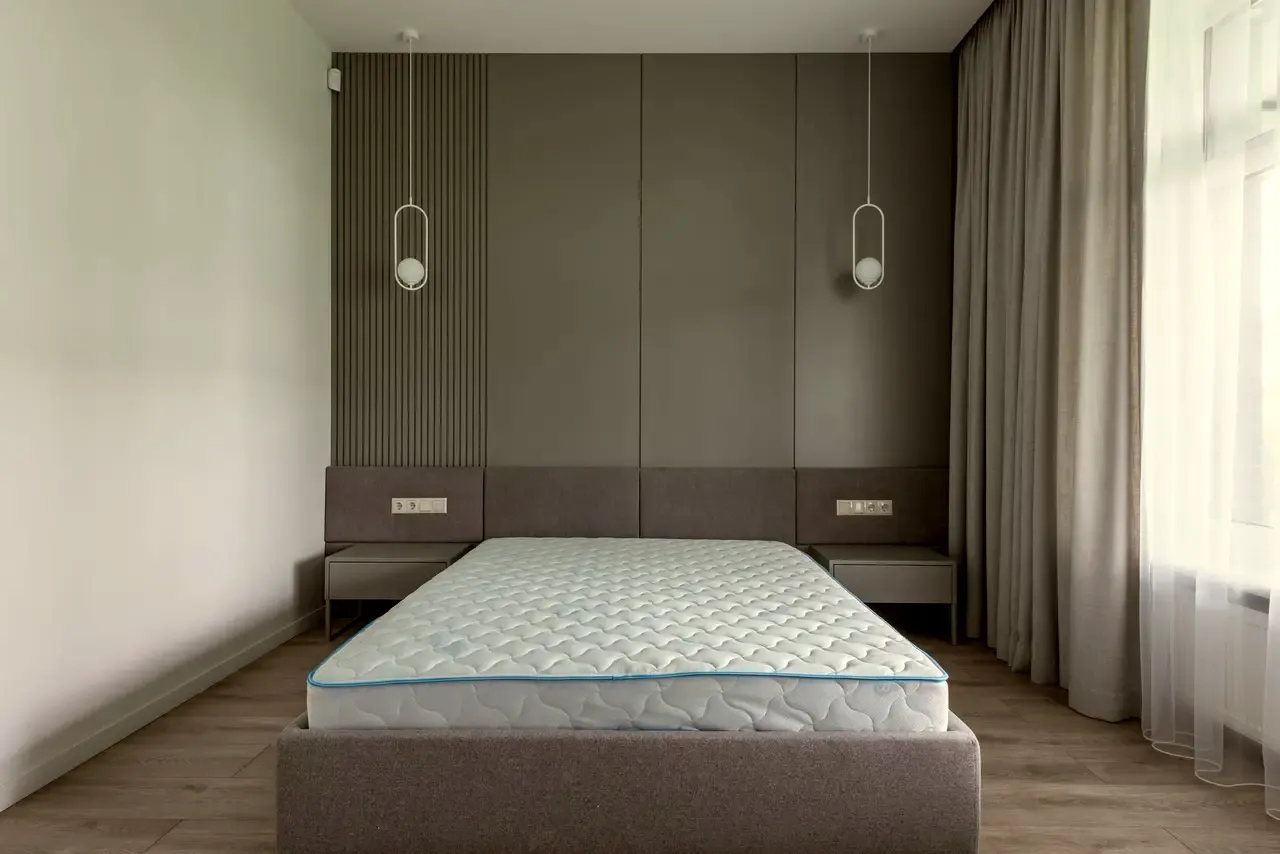
During an inspection a provider usually checks mattress seams, box springs, frame joints, headboards, couch cushions and seams, baseboards and outlet covers. Some providers bring a detection dog or a thermal camera as well, so ask what methods they rely on. You should come away knowing what was found, in which rooms, and what treatment the provider suggests.
View service
Heat treatment warms a room or an entire apartment until adults, nymphs and eggs cannot survive. According to OSU Extension, professionals bring the space up to around 130 degrees F. Items that can melt or spoil, such as candles, medicines and aerosol cans, are removed beforehand; the provider supplies the list.
View service
With chemical treatment, residual and contact products go into cracks, wall voids, seams and furniture joints where the bugs shelter. A single application can miss eggs, so a second visit is common. OSU Extension notes that professional products have to be applied by a licensed applicator. Ask the provider what will be used and where.
View service
In Norman, where 22.0 percent of housing units are in buildings with five or more units, apartment treatment has to allow for shared walls and next-door units. A provider usually treats the reported unit, checks the surrounding units, and works with the landlord or manager so no source is missed.
View service
Because eggs can survive the first treatment, providers often plan a return visit. At that visit the provider inspects again, looks at the interceptors, treats anything still active and explains what to keep an eye on. Before work begins, ask when the follow-up is and what it will cover.
View serviceThe provider usually goes through mattress seams, box springs, frames, headboards, couch seams and baseboards looking for live bugs, eggs and cast skins. Ask to see what turned up and how widespread it appears.
Wash bedding and clothing on high heat, bag the clean items, clear clutter and pull furniture away from walls. Keep belongings in the same room rather than moving them elsewhere, and skip foggers. Whatever the provider's preparation sheet says comes first.
Next comes heat, chemical treatment or a mix of both. Many providers then set interceptors under bed and furniture legs, which trap survivors and show whether every hiding place was reached, including those along walls.
Eggs can outlast one treatment, so a follow-up inspection is a common part of the plan. Ask when it is scheduled, what it covers and what to do if bites keep happening. Leave encasements and interceptors in place until the provider tells you otherwise.
Each provider builds its own plan, yet most work through these four stages. Before anything starts, ask the provider to walk you through each one, including preparation and follow-up timing.
Bed bug treatment in Norman, OK is simpler to start when there is one place to call. This site offers a single number, routes the call to an independent provider serving your part of town, and leaves the choice to book entirely up to you.
Before work starts, you can check a company's Oklahoma pesticide business license in the Oklahoma Department of Agriculture, Food and Forestry's AGLook search. The same tool lists individual certified applicators. This site does not license, screen or vouch for any provider.
Before suggesting treatment, a provider typically looks for proof of activity: live bugs, cast skins, eggs or dark spots in seams. Some use a detection dog or a thermal camera; ask what they used and what turned up. If nothing is found, ask what else might be causing the bites before paying for treatment.
Calls are connected 6 a.m. to midnight Central Time (7 a.m. to 1 a.m. during daylight saving time). The line covers 73019, 73026, 73069, 73070 and 73071, plus only the Norman part of 73072.
Look for a company that inspects before it recommends a treatment and plans a follow-up visit. Before work starts, you can check a company's Oklahoma pesticide business license in the Oklahoma Department of Agriculture, Food and Forestry's AGLook search. Also ask which methods it uses, what you need to prepare, and how it arrives at a price.
It can, as long as nearby units are inspected too. Bugs move through shared walls and outlets, so treating a single apartment and ignoring its neighbors can leave the source behind. Report the problem in writing. The Oklahoma landlord-tenant act, 41 O.S. section 118, speaks to fit and habitable housing; this site does not give legal advice.
That depends on the method and on how established the bugs are. Heat can reach eggs in a single pass, while chemical work often needs a return visit because eggs may survive. OSU Extension says a combination of methods is a must. Ask the provider how many visits the plan includes and why.
With heat treatment, usually yes. OSU Extension says professionals bring the home up to around 130 degrees F, so people and pets stay away until the provider says the space is ready. With chemical work, the provider typically tells you when you can come back. Follow the provider's instructions and preparation sheet in every case.
Yes, if a hiding place was missed or new bugs come in on luggage, clothing or used furniture. For that reason providers often set interceptors and schedule a follow-up inspection. Encasements on mattresses and box springs make any new activity easier to see. Ask the provider what the next step is if bugs reappear after treatment.
Questions Norman homeowners, renters, students and landlords often ask before calling about bed bugs.
Ask a providerA call to the number on this site passes through a call-tracking service, may be recorded, and is then connected to an independent local provider serving Norman. Calls are connected 6 a.m. to midnight Central Time (7 a.m. to 1 a.m. during daylight saving time). The provider schedules the inspection and sets the price.