A single number
One referral line for bed bug calls in Norman.

Bed bug chemical treatment in Norman, OK means a licensed applicator places pesticide where bed bugs actually rest: seams, joints, cracks and the voids behind trim and outlets. A provider typically works on mattresses, box springs, frames, baseboards and upholstered furniture in houses, duplexes, apartments and student rentals around the city. New bites in the morning, rusty spots on the sheets or small brown bugs in a mattress seam are all reasons to call the referral line. Your call is connected with an independent local provider, who inspects before treating, explains the plan and timing, and schedules any return visits.
One referral line for bed bug calls in Norman.
A provider usually inspects before naming a price.
Calls reach providers who serve Norman.
Search the company in ODAFF's AGLook.
Chemical work on bed bugs is a cycle, not a single spray. Below is what a provider commonly builds into the plan, plus the extras worth asking about when a house or apartment building needs more than the basics.
Before any product goes down, a provider typically looks over bedrooms, sitting areas and upholstered pieces. That sets the true scope, so clean rooms are left alone and a hiding spot behind a dresser or in a closet is not overlooked.
Contact and residual products are worked into mattress seams, box spring edges, bed frames, baseboards and furniture joints. Ask which EPA-registered products the provider will use and how the label says to apply them.
Many products do not reliably kill eggs, so plans usually rely on residual products that stay active in hiding spots and reach nymphs as they emerge. Some providers add a growth regulator too. Ask what your plan includes and why.
Labeled dusts often go into wall voids and behind outlet covers, with interceptor cups or monitors under the bed legs. What those traps catch gives the provider something to review next visit.
A chemical plan nearly always includes a return visit, commonly around two weeks later. Ask how many visits the quote covers and what happens if live bugs appear afterward.
Explain what you have found and hear the next step from a provider near you.
In Norman, bed bug chemical treatment is a licensed pesticide application that combines contact products, residual products and, in many plans, labeled dusts to kill active bugs and stop the next generation. The provider usually starts with an inspection of mattresses, box springs, bed frames, headboards, nightstands and baseboards. Product then goes into the seams, cracks and gaps where bed bugs shelter between feedings, applied as each label directs. Wall voids and outlet boxes may get a dust. A return visit, often about two weeks later, looks for nymphs that hatched from eggs the first application did not reach, and treats what it finds.
Bed bugs live indoors in Norman all year, so waiting for colder or warmer weather does not help. Calls to this line come from many kinds of homes: older houses in Old Silk Stocking, rentals near Norman Regional Hospital in First Courthouse, and apartment buildings in 73069, 73071 and the Norman part of 73072, where bugs can travel between units. Student move-in and move-out at the University of Oklahoma, which enrolled 32,639 students in fall 2025, means a lot of furniture and luggage changes hands each year. This page covers how the chemical approach works, why it needs more than one visit, and what to ask first.

The provider works through each room, with beds, sofas and baseboards first. A few providers bring a detection dog or thermal camera for big units or hidden activity, so ask if yours does. The inspection shows how far the bugs have spread, which rooms need product and whether the unit next door deserves a check.
You should get a written prep list ahead of treatment day: launder and bag bedding, clear closet floors, and pull the bed away from the wall. Do not throw out furniture or carry belongings into another room before the inspection. Careful prep lets product reach the places bed bugs hide.
Contact and residual products are placed in mattress seams, box spring edges, frames, baseboards and furniture joints as the label directs. Some plans also put a growth regulator in hiding spots. Ask how long the work will take in your home and when you can go back in.
Wall voids and the space behind outlet covers often get a labeled dust, and interceptors or monitors are set under each bed leg. Whatever they catch shows whether bugs survived the first round, so later decisions rest on evidence, not guesses.
The provider usually comes back, often around two weeks later, to read the monitors, treat any spots still active and look for young nymphs. Ask whether that return visit is in the quoted price and what happens if bugs show up after it.

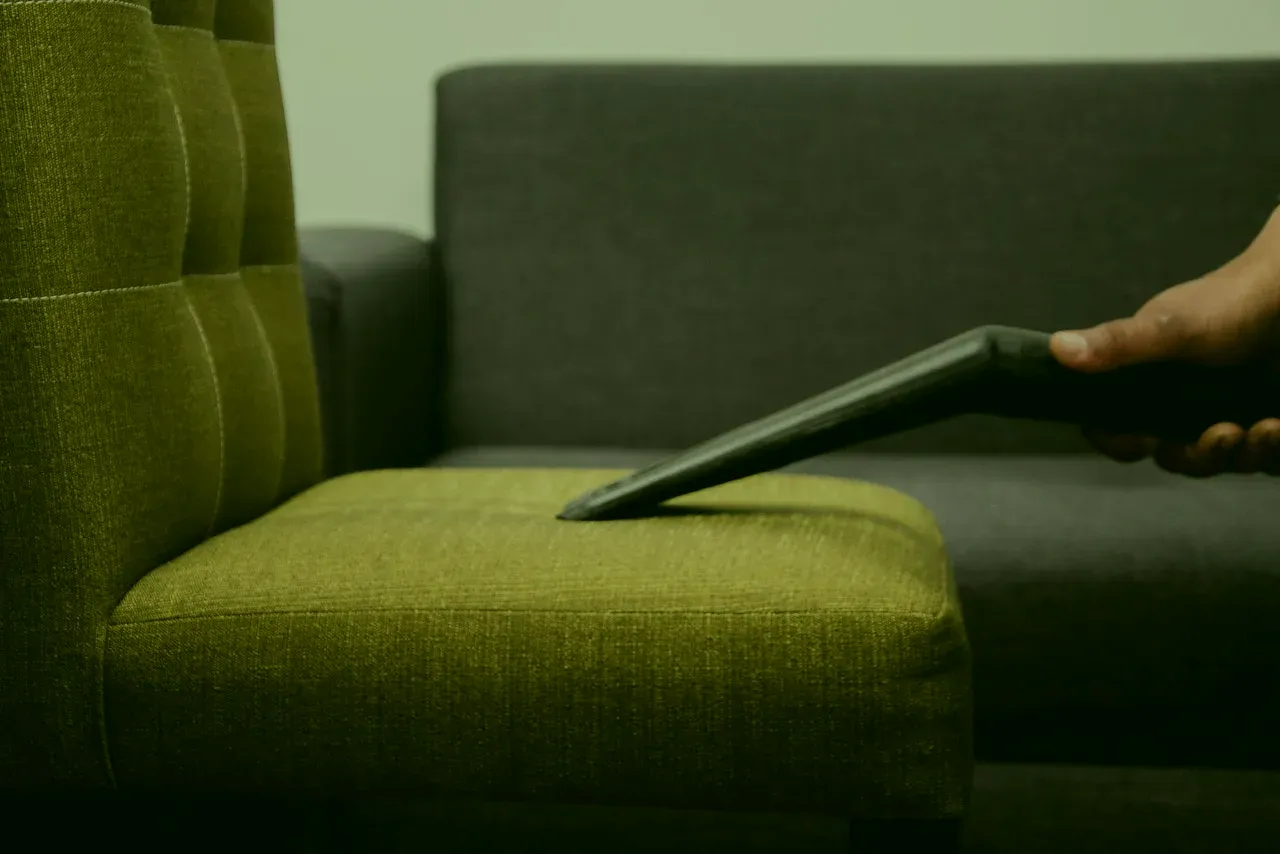
A fine-tip sprayer lets product go into mattress seams, frame joints and baseboard gaps without wetting fabric or leaving heavy residue where people sleep.
Some providers bring detection dogs to large buildings or hard-to-confirm cases. This site does no inspections; ask the provider whether a dog is used and how alerts are confirmed.
Some providers use a thermal camera behind headboards and outlet covers. Ask how any reading is confirmed by eye before treatment starts.
Set under each bed leg, these cups catch bugs climbing to or from the bed. They give the provider evidence for the return visit and let you keep watch.
Vacuuming lifts out visible bugs and debris, and slow steam along mattress seams and furniture edges can kill eggs and nymphs a spray might not reach.
IPM pairs inspection, sanitation, product application and monitoring rather than relying on one product. OSU Extension says a combination of methods is a must with bed bugs.
Some bed bug populations shrug off certain products, so providers often rotate or combine product classes. Ask which classes the plan uses and where each one is applied.
Some plans place a growth regulator in hiding spots so nymphs cannot mature and breed. It targets the life cycle in the gap between the first visit and the return visit.
A bed bug encasement traps any bugs left inside the mattress or box spring and keeps new ones out. Ask the provider how long the covers should stay on.

Typically the provider inspects the unit, treats the bedroom and living area with contact and residual products plus dusts, and arranges follow-up access with the property manager. Ask for written reports for the landlord's file. How many visits it takes depends on the inspection, and the units on either side may need checks.
A provider will usually treat the guest bed, its frame and nearby baseboards, then set interceptors under the legs. The other bedrooms get checked for spread. When the inspection finds bugs in that one room only, the plan can stay small.
Ask whether the sofa can be treated in place with contact and residual products and dust, with monitors in the living room afterward. The return visit handles any continued activity. The provider will say whether treating or replacing the sofa makes more sense.
Ask whether the provider can treat after closing, which EPA-registered products will be used and how long the re-entry window is. Request paperwork for the business's files and a return visit that fits the work week. The provider decides when staff can safely use the treated rooms again.
Norman's housing affects how chemical work gets planned. The city has 56,665 housing units, and the median one was built in 1988. About 37.7 percent were built before 1980, 11.8 percent before 1960 and 17.2 percent in 2010 or later, so a provider may treat a house in Old Silk Stocking, where homes went up mainly between 1890 and 1975, one day and a much newer build the next. Nearly half of occupied homes, 46.7 percent, are rented, and 22.0 percent of units sit in buildings with five or more units, where bed bugs can travel through shared walls, pipes and secondhand furniture. In those buildings providers often look at connected units, not only the one that called. In older houses, gaps along baseboards and inside wall voids may call for dusts alongside sprays. Bed bugs are an indoor pest in every month here. If you have been searching for pesticide application for bed bugs in Norman, Oklahoma, call the referral line to be connected with an independent local provider. No city permit is needed for bed bug treatment; check the provider's ODAFF license in AGLook first.
Older homes north of Main and west of Porter in 73069, built mainly between 1890 and 1975. Providers often add dust in wall voids, where a spray alone may not reach.
Homes and rentals between Robinson and Gray, Porter and Carter, in 73071, close to Norman Regional Hospital. Bugs often arrive in luggage or used furniture, so providers treat pieces in place and monitor.
ZIP 73019 is the University of Oklahoma campus. In nearby apartments and duplexes with shared walls, providers often inspect next door and may treat more than one unit.
In the Norman part of 73072, along with Woodland Addition and Crossroads West. Providers here treat houses and rentals and check nearby rooms before widening the plan.
With 22.0 percent of Norman's units in buildings of five or more, shared walls and plumbing chases are common paths. Skip the neighbors and bugs often return, so ask whether attached units will be inspected too.
Older houses tend to have more gaps and cracks for bed bugs to hide in, so providers rely on dusts and fine-tip sprayers to reach voids. That includes many homes in Old Silk Stocking.
Student move-ins and move-outs at the University of Oklahoma shift suitcases, backpacks and used sofas around town. Providers often treat furniture in place and may suggest encasements.
Outside temperatures change through the year, but indoor rooms stay comfortable. Bed bugs keep feeding indoors in every month, so a January call is handled like a July one.
A typical case: a renter puts up with bites for weeks. The inspection finds live bugs in mattress seams, the box spring and nightstands, and the unit next door shows signs by a shared wall.
The provider may treat both units with contact and residual products plus dust, then check the interceptors on the return visit. What the traps catch decides how many visits follow.
Afterward: Leave the mattress and box spring encasements on for as long as the provider recommends. Look at the interceptors every week at first and report any catch to the provider promptly.
A typical case: a homeowner notices bugs in the guest room after relatives stay over. Activity shows on the bed frame and baseboards, and the rest of the bedrooms still need a look.
The provider may treat the guest room and inspect the rest of the house. The return visit shows whether activity stayed in one room. Cost depends on rooms treated and visits.
Afterward: Vacuum the room often and keep the bed a few inches from the wall. After hosting guests again, check the bed frame and mattress seams within a few days of their leaving.
A typical case: a household brings home a used couch and sees bugs a few days later. It sits in the living room, and bugs may be heading for a recliner nearby.
Both pieces can often be treated where they stand with a residual product and dust, with monitors set around the room. The follow-up visit tells the provider whether more work is due.
Afterward: Leave the monitors down for as long as the provider suggests. Before bringing home used furniture again, run a flashlight along seams and under cushions, or have a provider look first.
Bed bugs are not a sign of a dirty home, and cleaning will not end them. They need treatment and tend to spread while you wait. Here are situations callers often describe in Norman houses and apartments.
Bites may mean bugs are feeding, but bites by themselves do not prove bed bugs, since reactions vary and other pests bite too. If bugs are breeding, each week of delay adds more nymphs and a bigger job. A provider usually checks the bed and nearby furniture, confirms activity, and then books treatment. Residual products keep working on nymphs as they hatch, and the return visit checks what is left.
Inside apartment buildings and duplexes, bed bugs can travel along wall voids and shared plumbing chases. If one unit is treated while the neighbors stay infested, the bugs often return within weeks. Providers commonly treat the affected unit and inspect the apartments above, below and to each side. Ask whether the provider will arrange access through the property manager and treat connected units in the same round.
Secondhand sofas, mattresses and dressers are a frequent way bed bugs get into Norman homes, especially around student move-in and move-out. The bugs sit in seams, under cushions and inside frame joints where a quick spray never lands. Providers often treat the piece in place with contact and residual products and dust, then set monitors close by. For heavier cases, ask about encasements for the mattress and box spring.
Store-bought sprays kill some bugs they hit but miss eggs and hidden bugs, and foggers do not reach into cracks and seams. The problem often returns and spreads to new rooms. The state fact sheet says only professionals should apply pesticides for bed bugs, so a licensed applicator treats where bugs hide and returns later. Tell the provider what you already used.
Quoted by the provider after inspection, by rooms and severity
This site does not quote prices. For bed bug chemical treatment in Norman, OK, the provider sets the cost after inspecting, and it depends on how big the home or unit is, how many rooms show activity, how long the infestation has been building, whether heat or other methods are added, and how many return visits are planned. Before work starts, ask for the full plan and the total in writing, with what the first treatment and each follow-up include. If a price for chemical bed bug spray in Norman seems very low, ask what the follow-up visits cost, because those later visits are often where the job is finished.
Find out how many visits the quote includes, which products will be applied, and what happens if bugs come back. Keep the mattress until after the inspection; many can be treated and then sealed in an encasement.
Treating one bedroom is a smaller job than treating a whole house. Every extra room adds time, product and inspection, so a three-bedroom house usually costs more than a studio or one-bedroom unit.
A few bugs in one bed take less time than a heavy infestation running through furniture, baseboards and closets. Heavier cases usually call for more product and extra visits.
Clutter gives bugs more places to hide and slows the work. Clearing closet floors and moving beds off the wall before the provider arrives cuts labor time and may lower the cost.
When connected apartments need treatment, inspection and access take longer. Ask the provider to price the whole building plan so the property manager sees the full scope before booking.
Heat, dog inspections and mattress encasements are often quoted separately. Ask which extras the provider recommends, the reason for each, and which ones are optional.
This site is a referral service. It is not a pest control company and does not vouch for any provider. Oklahoma's Department of Agriculture, Food and Forestry (ODAFF) certifies individual pesticide applicators and licenses the businesses they work for. Before work starts, you can check a company's Oklahoma pesticide business license in ODAFF's AGLook search, and the same system lets you look up certified applicators by name. OSU Extension notes that professional bed bug products require application by a licensed applicator. Ask which products are planned, whether each is EPA-registered for bed bugs, and what its label says about when people and pets can return.

A renter spots bugs in a child's bed frame in the apartment and wonders whether spraying is safe. The provider should go through every bedroom, explain which product goes where, and give a clear re-entry time for children and pets. Plan on monitors and a return visit, because eggs can outlast the first treatment.
A landlord gets bed bug reports from two or more apartments in one building. The provider will probably inspect the connected units, plan chemical work for each, and coordinate tenant prep and entry. Before work begins, ask for a written report per unit and the dates of the return visits.
A renter is about to drag a couch and mattress to the curb after finding bugs. The better move is to tell the landlord in writing and wait for the inspection. Many pieces can be treated along seams and frames, with interceptors under the bed legs and a follow-up visit.
That depends on the products and their labels, so ask the provider directly. The Oklahoma State Department of Health fact sheet says only professionals should apply pesticides for bed bugs, and OSU Extension notes these products require a licensed applicator. Products should be EPA-registered and placed in targeted spots rather than sprayed across a room. Keep children and pets out until the provider says they can return, and mention any infants, allergies or health conditions beforehand.
Use the re-entry time the provider gives you. It depends on the product label, the amount applied and how fast treated surfaces dry. Ask whether opening windows or running fans afterward helps. Dust placed in wall voids sits behind cover plates, but ask about it as well. Have the return time written down before the provider leaves, and do not go back in early.
Many products do not reliably kill eggs, so a single visit is rarely the end of it. Residual product left in seams and cracks can reach nymphs as they hatch over the next days and weeks. A return visit, often about two weeks later, deals with what survived. Ask how many visits your plan has and how they line up with the egg-hatch window.
How long a residual stays active depends on the product, the surface and cleaning, so ask the provider. The return visit covers the egg-hatch window. Afterward, keep interceptors or monitors under the bed legs to catch a comeback early. OSU Extension notes bed bugs can hide in suitcases, backpacks and clothing, so check monitors weekly after trips, a student move or buying used furniture.
Question not listed here? Call the referral line and a local provider can talk through timing and next steps.
Ask a provider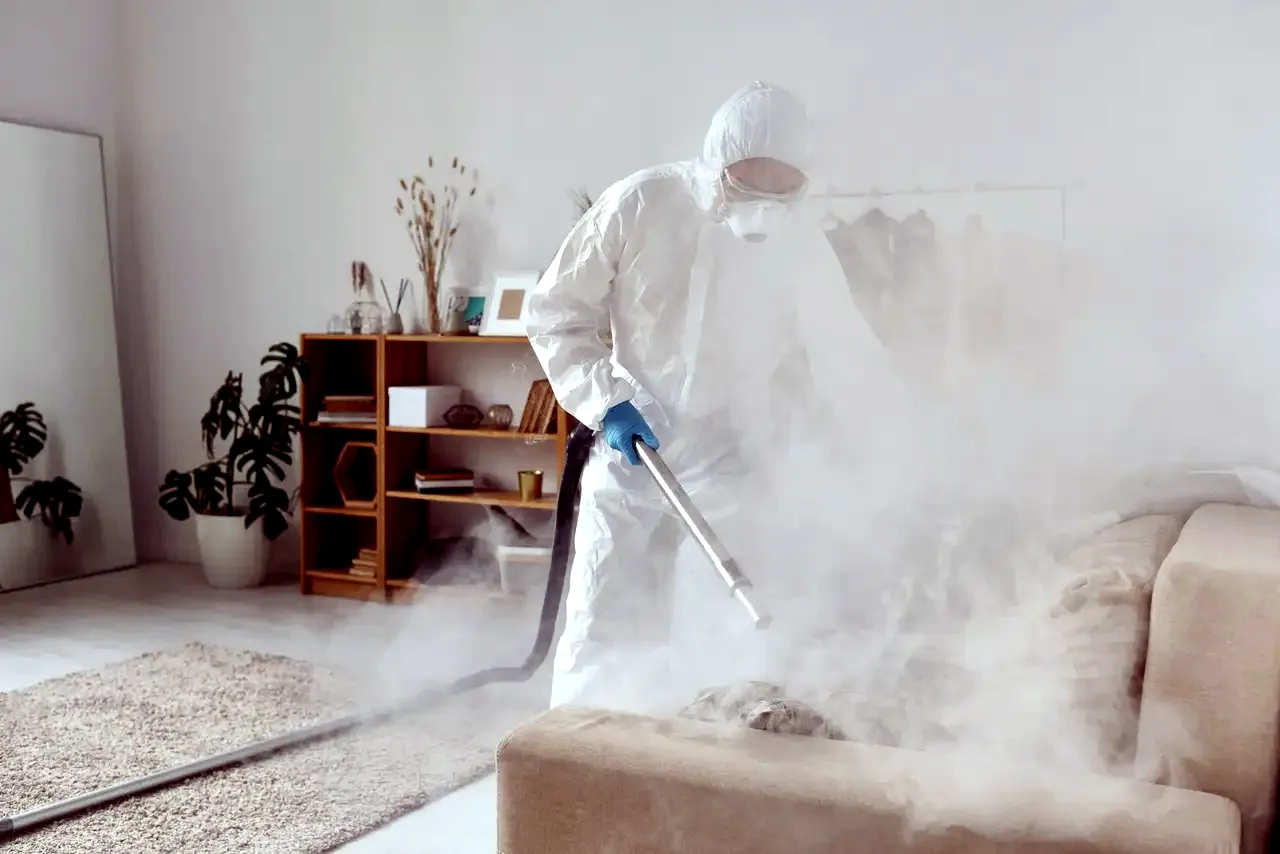
Before any product goes down, the provider should confirm there are bed bugs and map where they are. Some providers add a detection dog or thermal camera to find hidden activity in Norman houses and apartments. The inspection decides which rooms need treatment and which do not.
View service
Heat work brings a house or apartment up to around 130 degrees F, according to OSU Extension, killing bed bugs and their eggs. It can suit a badly infested room or furniture that should not be sprayed. Many Norman plans use heat in some rooms and chemical treatment in others.
View service
Apartment buildings call for their own plan. Providers usually treat the affected unit, inspect the ones above, below and beside it, and coordinate with the property manager so bugs do not bounce between neighbors. With 46.7 percent of Norman's occupied homes rented, this comes up often.
View service
Many infestations are finally closed out at the follow-up visit. The provider reads the monitors, treats any spots still active and looks for live bugs. Ask whether follow-ups are included in the chemical treatment price.
View serviceA call to the number on this site passes through a call-tracking service, may be recorded, and is then connected to an independent local provider serving Norman. Calls are connected 6 a.m. to midnight Central Time (7 a.m. to 1 a.m. during daylight saving time). The provider schedules the inspection and sets the price.