A single number
One referral line for bed bug calls in Norman.
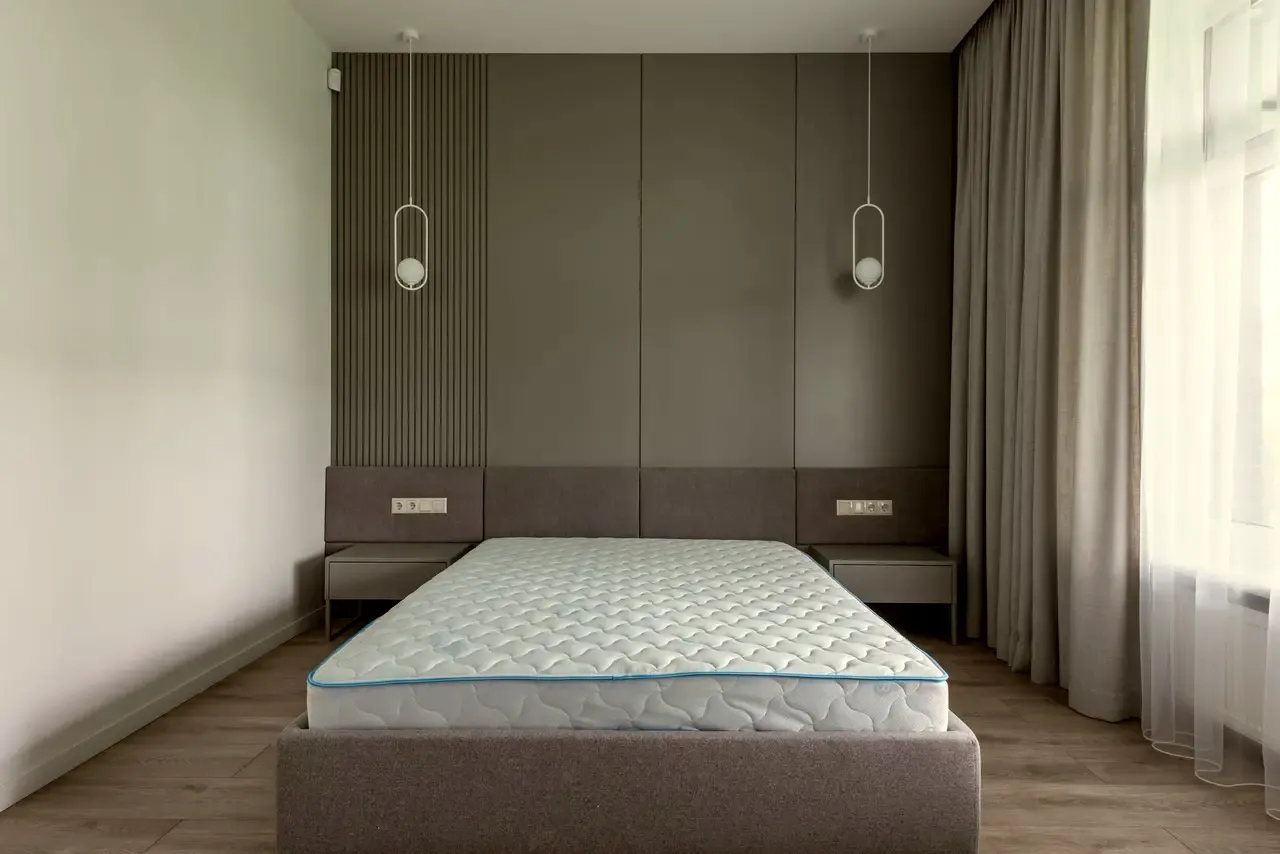
A bed bug inspection in Norman is how you find out whether there really is an infestation before anyone schedules treatment. A provider usually goes over mattresses, box springs, headboards, couch seams, baseboards and outlet plates in Norman houses and apartments, then talks you through the results. If nothing is found, you avoid paying to treat a problem that is not there. If bugs are active, the inspection shows where they are, so the treatment plan fits the home rather than guessing at it.
One referral line for bed bug calls in Norman.
A provider usually inspects before naming a price.
Calls reach providers who serve Norman.
Search the company in ODAFF's AGLook.
Most inspections cover a search of each room, a look at furniture and edges, notes or photos of anything found, and a conversation about what comes next. Treatment is a separate choice. Below is what to expect and what to ask the provider.
Most providers start with the bed: mattress seams and labels, box spring corners, the frame and the headboard. Sofas and chairs follow, with attention to seams and cushions. Early infestations are found here most often, and at that stage treatment is usually simpler to plan.
Bed bugs also tuck in along baseboards, behind outlet covers, under lifting carpet edges and inside nightstands. A provider usually checks these with a flashlight and a thin card or tool. Some bring a detection dog or a thermal camera as well; ask what they use and how a find gets confirmed.
The provider is looking for live bugs, tiny pale eggs, shed skins and dark fecal spots on seams and bedding. Heavy cases can give off a musty smell. Bites by themselves do not prove bed bugs, so the provider wants physical evidence before calling it an infestation.
Ask to get the results in writing: the date, which rooms were checked, where and what kind of evidence turned up, and photos when possible. A written record helps when you raise the issue with a landlord or property manager. Spoken results fade quickly once the visit is over.
Before the provider leaves, ask them to go over what they found. If there was no activity, ask what else could explain the bites and how to keep watching. If there was activity, ask which treatments fit, what preparation involves and how the cost is worked out before you decide anything.
Explain what you have found and hear the next step from a provider near you.
A bed bug inspection in Norman is a methodical search of the places bed bugs shelter, not a fast pass with a flashlight. A provider usually lifts the mattress, checks its seams and the box spring corners, then moves on to headboards, nightstands, dressers, baseboards and outlet plates. They look for live bugs, shed skins, small pale eggs and the dark spotting left near an active hiding place. Some providers add a detection dog or a thermal camera; ask which tools they use and how each alert gets confirmed. Ask for the findings in writing before the visit ends.
Norman's housing is one reason an inspection is worth doing. Census figures put 46.7 percent of the city's occupied homes as rented and 22.0 percent of housing units in buildings with five or more units, so many neighbors share walls that bed bugs can cross. Callers from Old Silk Stocking and First Courthouse often describe the same problem: bites but no bug. A professional inspection in Norman settles it with evidence. It also stops you from paying for treatment you do not need, or from waiting while a real infestation reaches a second bedroom.

Call (405) 957-0345 and explain what you have noticed: bites, live bugs, spots on the sheets or a notice from a landlord. Keep your address or ZIP handy, along with the number of rooms, whether it is a house or an apartment, and when the signs began. The call is connected with an independent local provider, and that provider sets the visit time.
Before searching, the provider usually walks through the space with you and describes what will happen. Many ask you to leave furniture where it is and not strip the beds in advance, since disturbed bugs scatter and hide. If bedding has already been washed, mention it. Let them know about pets, children and health concerns so the visit is safe for the whole household.
Providers generally begin at the bed, then check seams, frames, headboards, nightstands and baseboards, moving outward from where people sleep. Some add a detection dog or a thermal camera; ask how they confirm alerts. Every confirmed find should be recorded, with a photo where possible, so the notes match what was actually seen.
Ask the provider to record every spot with activity, how heavy it looks in each room and which items can probably be treated. Written findings should list the date, the rooms checked, the type of evidence and photos when possible. Renters should ask for a copy the landlord or property manager can follow. Plain language helps everyone.
When the search is done, ask the provider to go through the results with you. With no activity, ask what else could explain the bites and how to keep monitoring. With activity, ask about the options, from heat treatment to targeted chemical work, and how the cost is worked out. The decision is yours, with no obligation.
Some providers work with trained dogs that react to the scent of bed bugs. Ask how each alert is checked by eye before it is written into the findings.
Some providers run a thermal camera along baseboards, wall edges and carpet edges. Ask what the image shows and whether a suspect area gets checked by hand before it is reported.
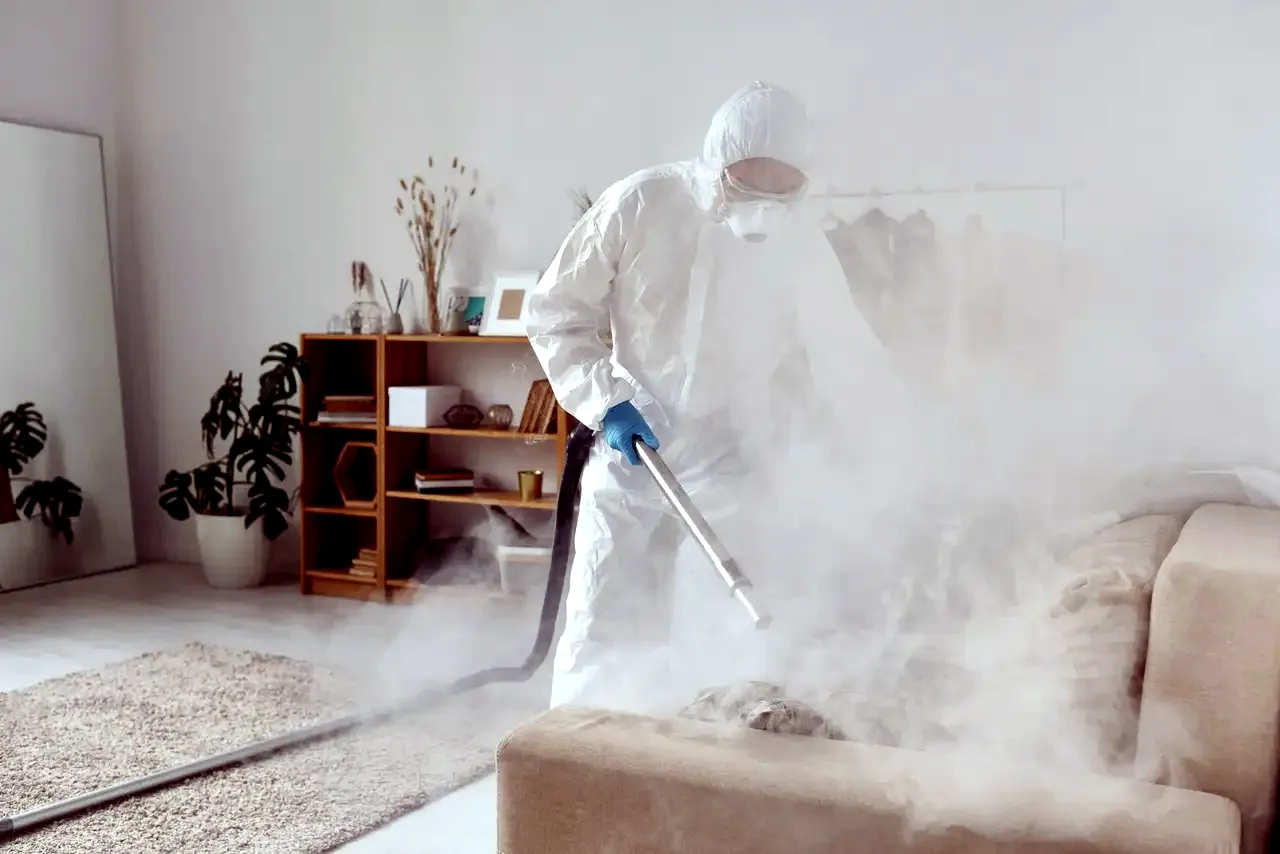
Steam is common in follow-up and spot work on mattress seams and fabric folds, since heat kills bed bugs and eggs on contact. Ask whether the provider uses steam and where it fits in the plan for your home.
Interceptors under the legs of the bed and monitors near hiding spots show whether activity continues after treatment. They collect bugs over days and weeks, not only during the visit.
A HEPA vacuum can lift live bugs, shed skins and debris out of seams and carpet edges during prep. Ask the provider whether you should vacuum before the visit or hold off.
A strong flashlight and a thin card or scraper let a provider look into seams, cracks and screw holes. You can use the same simple tools for your own check before calling.
Whatever tools are used, ask whether each alert or suspect spot is confirmed by actually seeing a bug, egg or skin. Findings resting on an alert alone are harder to act on. A confirmed finding gives you something clear to share with a landlord or another provider.
If treatment comes next, OSU Extension notes that professional bed bug products require application by a licensed applicator. In Oklahoma, the Department of Agriculture, Food and Forestry licenses pesticide applicators. Ask the provider for its license details and look the company up in the AGLook search.
Integrated pest management pairs inspection, preparation, sealing hiding places and targeted treatment rather than spraying everything. OSU Extension says a combination of methods is a must. Ask how the provider uses monitors to check results and changes the plan based on what turns up.
Many providers recommend mattress and box spring encasements to trap bugs inside and remove hard-to-treat hiding places. With interceptors, encasements make later checks simpler. Ask what type the provider recommends.

Bites on their own do not prove bed bugs, since people react differently and other insects bite as well. Before calling, look along mattress seams and the headboard with a flashlight, and put any bug you find in a sealed bag or take a sharp photo. The inspection then searches for physical evidence: live bugs, eggs, skins or spotting. You find out whether bed bugs are there and where, rather than washing sheets for nothing.
Tell the landlord about the problem in writing and keep a log of dates and photos. Written inspection findings show which rooms were checked, where evidence was found and what it was. The Oklahoma Residential Landlord and Tenant Act, 41 O.S. section 118, requires a landlord to keep the unit fit and habitable; this site gives no legal advice on how it applies to you.
Look over the seams, frame and joints of the piece with a flashlight, along with the baseboards near it. If you are still not sure, an inspection covers the item and the room around it. If no signs appear, ask the provider about monitoring. If bed bugs are confirmed, ask about treating the piece before bugs reach the bedrooms. Either way, the guessing ends.
A provider can usually inspect rooms, furniture and common areas and supply written findings for your files. For larger properties, ask about inspecting one section at a time to limit disruption. Hotels should know that the Oklahoma State Department of Health lodging rule, OAC 310:285 (effective August 11, 2024), counts bed bugs as an infestation. Ask the provider what suits the property.
Norman's homes range from early houses to recent subdivisions. The median year built is 1988, 11.8 percent of units were built before 1960 and 17.2 percent in 2010 or later, and Old Silk Stocking has homes built mainly between 1890 and 1975. In apartment buildings, bed bugs can move through shared walls and outlets, so providers often ask about checking neighboring units as well as the one that reported. Bed bugs are an indoor pest in every month, and OSU Extension notes they hide in suitcases, backpacks and clothing. With 32,639 students at the University of Oklahoma's Norman campus in fall 2025, move-in and move-out weeks put a lot of luggage and furniture on the move. Calls are connected for Old Silk Stocking and Lions Park in 73069, First Courthouse and Hall Park in 73071, the Norman part of 73072, east Norman in 73026, 73070 and the OU campus in 73019. Renters should ask for written findings to share with the landlord, and owners should ask how treatment options and cost are set.
Old Silk Stocking in ZIP 73069, north of Main and west of Porter, with homes built mainly between 1890 and 1975. Where a home shares a wall, ask whether that wall needs checking too.
First Courthouse, ZIP 73071, from Robinson to Gray and Porter to Carter. In houses, providers usually start at the beds and work out to sofas, baseboards and outlets.
ZIP 73019 is the University of Oklahoma campus. Around move-in and move-out, check bed frames, headboards and nearby cracks, and keep a specimen or photo.
In the Norman part of 73072, with Woodland Addition and Crossroads West. Used furniture and travel bags are frequent ways bed bugs get in, so check the item and the room around it.
Bed bugs can pass between units through wall voids and the openings around pipes and outlets. Providers often ask about inspecting neighboring units, and the building manager usually arranges entry.
Norman has no bed bug season. The bugs live indoors through the whole year, so an inspection is worth arranging whenever bites or other signs appear.
Used couches, mattresses and dressers are a frequent way in, and OSU Extension notes bed bugs hide in suitcases, backpacks and clothing. Check items over before bringing them inside.
About 46.7 percent of Norman's occupied homes are rented, and student move-ins and move-outs bring steady turnover. Written findings help managers coordinate treatment across units.
A typical call: a tenant who has had bites for weeks but cannot find a bug. The landlord asks for documentation before treating, and the tenant is washing bedding every day and sleeping badly.
What to expect: the provider checks the beds, box springs and baseboards for physical evidence. If bed bugs are confirmed, written findings give the landlord something to act on. If not, the provider can point to what else to look into.
Afterward: Interceptors under the bed legs help show whether bugs are still active. Ask when a follow-up inspection should happen, and report any new signs to the landlord in writing.
A typical call: someone bought a secondhand couch and started getting bites a few weeks later. They are weighing whether to put the couch out at the curb and treat the entire house.
What to expect: the inspection shows whether activity is confined to the couch and nearby baseboards or has spread further. That helps decide between targeted treatment and a whole-home plan. Ask the provider to explain each choice before you decide.
Afterward: Ask about mattress encasements and when a return inspection should take place. Leave the couch where it is until the provider has looked at it.
A typical call: a property manager with one unit reporting bites for weeks, and other tenants mentioning itching without putting anything in writing. The manager wants to see the whole building before committing to treatment.
What to expect: the provider may recommend inspecting the reported unit, the units on either side and any others sharing walls. Results are recorded unit by unit. Ask how the provider chooses which units to treat and how return visits are handled across the building.
Afterward: Ask about interceptors in the affected units and a written follow-up plan. A brief bed bug notice handed to new tenants at move-in can encourage early reports.
Plenty of Norman calls begin the same way: bites, no bugs in sight and a lot of guesswork. An inspection swaps the guesswork for evidence and a plan.
You keep washing bedding and vacuuming, and nothing changes. Meanwhile an infestation could be building behind the headboard or inside the box spring, out of view. Bites alone are not proof of bed bugs, and carpet beetle larvae can irritate skin as well. A provider looks for physical evidence and confirms what turns up. Ask for written findings that say whether bed bugs are there and, if they are, exactly where they are hiding.
Without documentation, the back-and-forth can stretch on for weeks while bed bugs move into another room. Report in writing, keep dates and photos, and ask the provider for written findings listing the rooms checked, where evidence turned up and what kind it was. For an interior property maintenance concern, Norman Code Compliance takes complaints, and the assigned inspector sets up an appointment with the occupant.
Secondhand couches, mattresses and dressers are among the common ways bed bugs get into Norman homes. Waiting for bites to show up gives an infestation time to spread through the room. A provider can inspect the piece and the room it is in, including seams, frames and nearby baseboards. If it is clean, ask about monitoring. If not, ask how the piece can be kept apart and treated before bugs reach the bedrooms.
Shared walls and outlets let bed bugs travel between apartments. Treating only your unit may not be enough if the source is next door. Let the landlord or manager know in writing, and ask the provider whether adjoining walls and units should be inspected. If activity spans units, the building usually has to coordinate so both sides are treated. That breaks the cycle instead of repeating it every few months.
Set by the provider after the call; houses, apartments and larger buildings are scoped in different ways
This site does not set inspection prices; the provider you are connected with does. The cost generally depends on the size of the home, how many rooms need checking, whether it is a house, an apartment or a whole building, and which tools are used. Ask whether the inspection is billed separately from any treatment and how treatment is priced after the findings. Ask, too, whether the inspection is charged regardless of the result. You are under no obligation to book after the call or the visit.
An inspection shows the true scope before you commit to full treatment. If treatment is needed, the findings let the provider price the work and plan to reach every hiding place, which can help you avoid paying for repeat visits.
A studio or one-bedroom apartment takes less time than a three-bedroom house with a bonus room. More rooms usually add inspection time. Ask the provider how the number of rooms and the size of the home affect the cost.
Houses, apartments and multi-unit buildings are often scoped in different ways. Some providers price several units inspected in one visit differently from a single unit. Commercial spaces are usually scoped after a phone conversation. Ask how your type of property is priced.
Cluttered rooms take longer, since bed bugs have more places to shelter and the provider has to get to seams and edges. Ask whether clutter affects the cost. Heavy clutter may need preparation before inspection; ask what the provider wants done first.
A detection dog or a thermal camera can change the cost compared with a visual search alone. Ask the provider which method they use in Norman homes and what it adds to the results.
Calls are connected for 73026, 73069, 73070, 73071, the Norman part of 73072 and the OU campus in 73019. Ask whether evening or weekend appointments change the cost. The provider, not this referral line, sets the schedule and the price.
This site is a referral service, not a pest control company, so it neither inspects nor treats. Calls are connected with independent local providers, and it is up to you to check any provider. In Oklahoma, pesticide applicators are licensed by the Oklahoma Department of Agriculture, Food and Forestry, and you can look up a company in the AGLook search before work starts. OSU Extension notes that professional bed bug products require application by a licensed applicator. Ask the provider how they inspect, whether a dog or thermal camera is used, whether neighboring units are checked and whether findings come in writing. The setting changes how bed bugs behave.

A homeowner is ready to throw a mattress away after spotting marks on the sheets. A provider usually checks the mattress, box spring and headboard for physical evidence before proposing a plan. Ask for photos and written findings, and keep the mattress until it has been inspected. Treatment recommendations and prices come from the provider, not from this site.
A landlord has a tenant who has reported bites for weeks, while other tenants have said nothing. Expect the provider to ask which units share walls and to suggest inspecting the ones nearby. Results are usually recorded unit by unit. Ask how return visits work, and keep the written findings to explain the plan to owners and tenants.
A renter keeps getting bites but has never found a bug. The inspection may turn up no bed bugs, and the provider may suggest a look-alike such as carpet beetles, whose hairy larvae and bristly cast skins look different from bed bugs. Bat bugs look very much like bed bugs, but this service does not cover bat bugs. Ask what signs to watch for and when to call again.
A provider generally checks every room where people sleep or sit, lifting mattresses and looking at seams, frames, baseboards, outlets and furniture. Some add a detection dog or a thermal camera. Ask how long a visit takes for your house or apartment, and ask for photos and written findings. Inspection and treatment are separate steps, which gives you time to review the results and decide what to do next.
Usually it is the right place to start. Treating without confirming live bugs can mean paying for heat or chemical work that was never needed. An inspection also locates the hiding spots, so treatment can reach every one of them. Skipping it is a common reason bed bugs return after treatment. Ask the provider to confirm activity before pricing any treatment.
No method catches every bug. A visual search works well when it is thorough, and some providers add dogs or thermal cameras; ask how each alert is confirmed. Look-alikes such as carpet beetles can muddy the picture, and bat bugs, which look similar, are not covered by this service. If nothing is found but bites keep coming, ask what to check and how to monitor over the next few weeks.
Prices are not set by this site. The provider you are connected with prices the inspection after hearing about your home, usually based on its size, the number of rooms to check, the property type and the tools used. Ask whether the inspection is billed apart from treatment. Call (405) 957-0345 to be connected with a provider.
Question not listed here? Call the referral line and a local provider can talk through timing and next steps.
Ask a provider
Heat treatment brings a house or apartment up to around 130 degrees F, according to OSU Extension, to reach every life stage, eggs included. Providers bring special heaters and fans and usually complete the job in one visit. Heat-sensitive items have to come out first. It is normally planned after an inspection confirms live bugs.
View serviceTargeted chemical treatment applies EPA-registered products to the hiding places the inspection found. It is common for light to moderate infestations and for buildings where heat is impractical. Because eggs can survive, more than one visit is usually needed. OSU Extension notes these products require application by a licensed applicator.
View service
Apartments in Norman come with shared walls, shared outlets and neighbors who may not speak up. Providers often treat the unit and check the walls next to it so the problem does not return. Tenants should report in writing, keep dates and photos and follow the prep sheet. Interceptors and monitors help confirm results.
View service
Return visits show whether the first treatment did its job. A provider usually re-inspects, reads the interceptors and monitors, and spot-treats any bugs that survived. Ask how many return visits the provider expects for your home. Skipping them is how infestations come back. Ask whether they are part of the original price so nothing catches you off guard.
View serviceA call to the number on this site passes through a call-tracking service, may be recorded, and is then connected to an independent local provider serving Norman. Calls are connected 6 a.m. to midnight Central Time (7 a.m. to 1 a.m. during daylight saving time). The provider schedules the inspection and sets the price.